Lithium: The missing nutrient for mental health?
Long associated with heavy-duty psychiatric medication, lithium in its natural, low-dose form is emerging as one of the most overlooked nutrients for brain health. Cate Montana reports
Say the word “lithium” and most people immediately think of powerful psychiatric medication, the kind prescribed for severe bipolar disorder. The association is so strong that lithium has been pushed to the margins of nutritional conversation for decades.
But what if lithium—in much smaller, naturally occurring doses—were actually an essential trace mineral that most of us aren’t getting enough of? A growing body of research suggests exactly that, pointing to low-dose lithium as a potential key to brain health, emotional resilience and even longevity.
The lithium used in psychiatry is lithium carbonate, prescribed at doses of 600–1,800 mg/day. At these levels, the drug requires careful blood monitoring to avoid toxicity. But naturally occurring lithium—the kind found in drinking water and certain foods—appears at trace levels measured in micrograms, not milligrams. The difference is enormous: roughly 1,000 times less than the pharmaceutical dose.
The geographical connection
Some of the most compelling evidence comes from population-level studies comparing lithium levels in drinking water with mental health outcomes. In Texas, a landmark 1990 study found that counties with higher levels of naturally occurring lithium in their water supplies had significantly lower rates of suicide, homicide and other violent crimes.
Since then, similar findings have emerged from Japan, Austria, Greece, Italy, Lithuania and England. A 2020 meta-analysis published in the British Journal of Psychiatry reviewed 15 studies and concluded that higher lithium levels in drinking water were associated with lower suicide rates across diverse populations.
Research from Japan found that communities with higher lithium in their water had not only lower suicide rates but also lower all-cause mortality. The implications are remarkable: a naturally occurring mineral, consumed at trace levels through ordinary drinking water, may have broad protective effects on mental health.
How lithium protects the brain
At the cellular level, even low-dose lithium appears to enhance neuroprotection through several mechanisms. It inhibits glycogen synthase kinase 3 beta (GSK-3β), an enzyme implicated in Alzheimer’s disease, neuroinflammation and cell death.
Lithium also stimulates the production of brain-derived neurotrophic factor (BDNF), a protein essential for the growth and maintenance of neurons. Low BDNF levels are associated with depression, anxiety and cognitive decline.
Studies suggest lithium promotes autophagy—the cellular housekeeping process that clears damaged proteins and organelles. Disrupted autophagy is implicated in neurodegenerative diseases including Alzheimer’s and Parkinson’s.
In animal studies, low-dose lithium has been shown to reduce tau phosphorylation and amyloid plaque formation—two hallmarks of Alzheimer’s disease. A Danish registry study of more than 800,000 people found that long-term exposure to higher levels of lithium in drinking water was associated with a lower incidence of dementia.
The supplement question
Lithium orotate is the most common form available as an over-the-counter supplement. It pairs lithium with orotic acid, which may improve absorption and allow effective results at much lower doses than pharmaceutical lithium carbonate.
Typical supplement doses range from 1 to 20 mg of elemental lithium per day—still far below the pharmaceutical range but well above what most people get from food and water alone.
Some practitioners recommend starting with 5 mg daily and adjusting based on individual response. At these levels, the side effects associated with pharmaceutical lithium (kidney stress, thyroid suppression, tremor) are essentially absent.
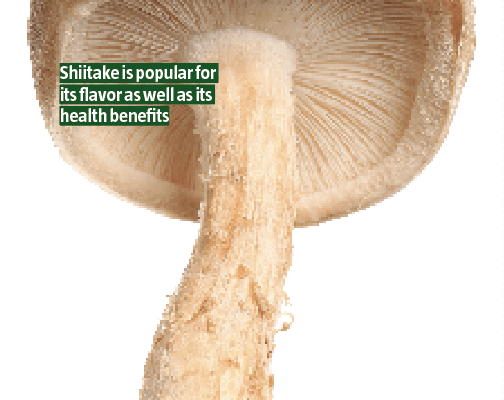
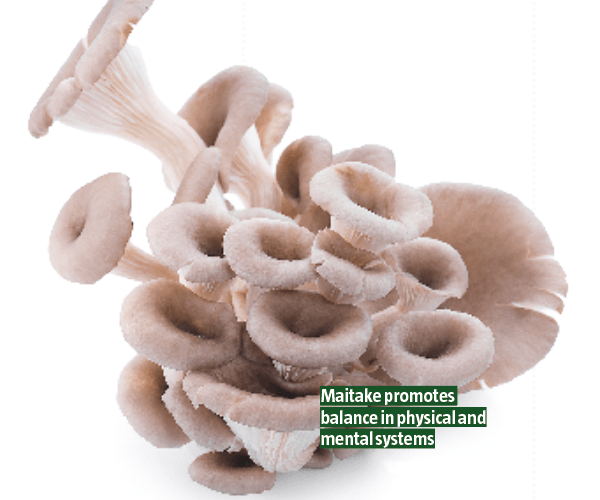
Food sources of lithium include grains grown in lithium-rich soil, certain vegetables (tomatoes, mushrooms, cabbage), some mineral waters and, of course, drinking water in areas with naturally higher lithium content. However, modern agricultural practices and water treatment have reduced lithium exposure for many populations.
An essential nutrient?
A growing number of researchers believe lithium should be classified as an essential trace element—similar to zinc, selenium and chromium. In 2002, nutritional biochemist Dr Jonathan Wright began advocating for lithium’s recognition as a vital nutrient, pointing to the consistent population-level evidence and the mineral’s fundamental role in brain chemistry.
The evidence is compelling: lithium appears to support emotional stability, cognitive function and cellular health at doses far below those used in psychiatry. Its near-absence from modern diets and water supplies may represent a hidden nutritional gap with significant public health implications.
References
Biol Trace Elem Res, 1990; 25(2): 105–113
Br J Psychiatry, 2020; 217(6): 667–678
Int J Environ Res Public Health, 2018; 15(4): 794
Front Aging Neurosci, 2023; 15: 1242853