The nutrients we quietly lost
Celeste McGovern investigates three critical nutrients you may never have heard of and why you absolutely need them
Most of us assume that if we’re eating reasonably well and our blood tests come back “normal,” we’re probably doing fine nutritionally. No red flags. No deficiencies.
We may feel less than brilliant—tired, foggy, slower to recover, maybe less able to cope with physical or emotional stress than we used to be. But our doctors aren’t worried if our test results are reassuring.
At the same time, troubling trends persist at the population level. Birth defects have not disappeared. Children today suffer from far more chronic illness than their grandparents did. Inflammatory disease is epidemic. Infertility continues to rise worldwide. More people are anxious and depressed than ever before. Dementia is a huge crisis, and cancer has not been beaten.
If we’re so well fed and our healthcare is the best in the world, why are so many of our bodily systems failing?
A new wave of research is turning to an old group of unsung nutrients the body uses every day—not just to avoid deficiency but to keep our cells energized, our brains sharp and our metabolism running smoothly as we age. These compounds are rarely tested for and often slip under the radar in modern diets. Here we’ll look at three of them: choline, taurine and glycine.
Choline crisis
Choline is one of the clearest examples of a critical nutrient that most people have never heard of. We absolutely need it to develop healthy babies and for brain and liver function. Scientists are now investigating whether it boosts long-term cognition and can reduce the risk of Alzheimer’s disease.
Yet public health authorities know that many people, if not most, don’t get enough essential choline in their diet. The obvious potentially serious health consequences include fatty liver and impaired metabolism—both epidemic in the West.
Ironically, public health advice of the past several decades has driven the choline shortfall in diets. In their campaigns to steer people away from cholesterol, public health vilified foods like meat and eggs, which became synonymous with heart attack, and told people to replace real butter with fake, highly processed margarine. It was advice that also steered people away from the richest food sources of choline.
“Since the 1960s and ’70s, when people were told to avoid foods like eggs and liver, we’ve created a problem that we weren’t designed for,” says Dr Steven Zeisel, professor emeritus of nutrition and pediatrics at the University of North Carolina at Chapel Hill, whose work established choline as an essential nutrient.
90 percent have low choline
Choline deficiency doesn’t come on urgently—it works quietly at the cellular level. The liver is where the trouble becomes most obvious. To export fat, the liver must package it into tiny transport particles; choline provides the molecular “wrapper” that makes this possible.
Without enough choline, fat can’t be shipped out and it builds up inside liver cells, setting the stage for nonalcoholic fatty liver disease (NAFLD)—now estimated to affect one in four adults globally.
Population surveys in the United States, Canada and Europe show that most people consume less than the government-recommended minimums, which range from 200 mg/day for toddlers to 550 mg/day for grown men. Approximately 90 percent of Americans are falling short of these guidelines.
The case for taurine
Another quietly missing ingredient in modern diets is taurine, a sulfur-containing amino acid generating a major research boom. Unlike protein-building amino acids, taurine is a “conditionally essential” free amino acid. It circulates freely and concentrates in organs including the heart, brain and eyes.
Like choline, taurine is critical to prenatal development. It regulates the balance of electrolytes including calcium. It’s key to metabolic health, the central nervous system, vision and cardiovascular health.
A study published in the journal Science in 2023 ignited interest when researchers measured circulating taurine levels in worms, mice and monkeys and reported that taurine declined with age. When they supplemented taurine in midlife, the results were striking—increased lifespan and improved health markers.
The glycine gap
Taurine’s closest metabolic “cousin” is glycine, another underappreciated amino acid. For most of human history, it arrived in the diet daily in the form of bone broths, slow-cooked meats, connective tissue, skin, cartilage and bones.
But today people want lean muscle meat, and the gristly glycine-rich offcuts are chucked in the bin. The deficiency that results doesn’t trigger disease outright, but it takes an inflammatory toll.
Glycine is not just a building block of protein. It’s a precursor of glutathione, the master antioxidant and detoxifier. Research shows that immune cells produce glycine receptors. When glycine binds to them, it shuts down inflammatory cytokine storms. Glycine is the controller deciding whether immune cells escalate a situation to immune assault or stand down.
How to boost your intake
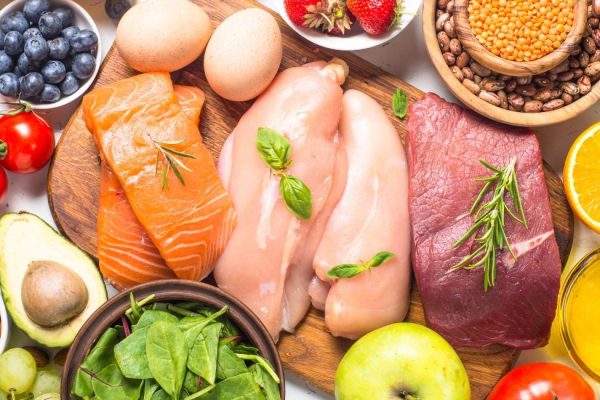
Choline: 425–550 mg/day. Egg yolks are the easiest source—just one delivers 125–150 mg—followed by liver, beef, chicken, fish and dairy.
Taurine: 500–3,000 mg/day. The major food source is animal protein. Supplemental L-taurine comes as powder or capsules.
Glycine: 3–10 g/day. Most of us are not eating enough glycine in connective tissue, bone broth, gelatin and collagen. Glycine powder is ideal.
References
Front Aging Neurosci, 2023; 15: 1242853
FASEB J, 1991; 5(7): 2093–98
Nutr Today, 2018; 53(6): 240–253
Science, 2023; 380(6649): eabn9257
GeroScience, 2023; 46(1): 219–239