Is your brain starving? How fiber feeds your brain
Fiber, a nutrient we often think of as mere filler, is essential to our health and wholeness—particularly in the gut and brain. Cate Montana reports
Dr Denis Burkitt worked in Uganda as a surgeon for 20 years. He arrived back in England in 1966, and three years later, he published an article titled “Related Disease—Related Cause?” It was based on his observations that adults aged 40–60 years living in Uganda had a far lower incidence of colon cancer, diverticulitis, appendicitis, hernias, varicose veins, diabetes, atherosclerosis and asthma than adults of a similar age in the UK.
Burkitt attributed the radical health differences to the amount of dietary fiber consumed via natural foods available in Africa versus the highly processed foods regularly consumed in wealthier Western nations. Over the years, he continued to build what became known as “the fiber hypothesis” along with three other physicians of his day, Peter Cleave, G. D. Campbell and Hugh Trowell.
Since he garnered worldwide fame as “The Fiber Man,” Burkitt’s hypothesis regarding the connection between fiber deficiency and disease has been verified and vastly extended. It now includes the increasing risk of liver, colon and breast cancers as well as death from cancer, cardiovascular disease, respiratory diseases, diabetes and infectious diseases.
Mechanics
Back in the day, it seemed strange that a substance defined as “the carbohydrate parts of plant foods that the body can’t digest or absorb” could be a key to good health. Nonetheless, dietary fiber rapidly began to be hyped in ads for whole-grain products in the 1970s, especially cereals.
Dietary fiber itself is composed of a number of carbohydrate types: monosaccharides (the simplest carbohydrates) including glucose, mannose and fructose; non-starch polysaccharides; resistant starches; non-digestible oligosaccharides, which enhance probiotic bacterial development and cell recognition; and synthetic carbohydrates.
Each kind of dietary fiber has a different structure and physiological effects. This is why the current and long-standing classification of dietary fibers as either soluble or insoluble is currently being revised.
Fiber for your brain
Fiber in food slows the absorption of sugar into the bloodstream so that glucose and insulin levels don’t spike. Insulin helps cells communicate to regulate glucose transport and metabolism, and any glucose dysregulation can cause oxidative stress, inflammation and mitochondrial dysfunction. These conditions ultimately lead to impaired neuronal and cognitive function.
Maintaining a healthy weight is vital for brain health, and fiber also makes you feel full so you don’t overeat. Best of all, it helps maintain microbial diversity in the gut, aids in lipid and glucose metabolism, and reduces neuroinflammation by modulating short-chain fatty acids and the immune system. Recent studies show that “mixed-fiber supplementation can restore metabolic stability and cognitive function.”
“When people think about brain health, they often focus on omega-3 fats, antioxidants, exercise, sleep or cognitive training,” says David Perlmutter, MD, neurologist and New York Times best-selling author of Grain Brain. “All of these matter. But today we understand that dietary fiber may influence one of the most important players in brain health—the microglial cell, which makes up the brain’s innate immune system.”
Studies now show that microglial activation is a central mechanism in the development and possibly the treatment of Alzheimer’s disease. Hyperactivation triggers inflammation by making too many pro-inflammatory proteins, leading to the neuronal degeneration found in Parkinson’s disease.
So, what is causing the body’s microglia to dysregulate? Lack of fiber and a concomitant dysregulation of the gut microbiome. A high-fiber diet has been consistently shown to increase both the amount and the diversity of gut bacteria, which supports their production of bioactive short-chain fatty acids.
Fiber fermentation in the colon produces these fatty acids, including acetate, butyrate and propionate. In turn, they signal the gut-brain axis, influencing metabolism, neurotransmission, immune function and even gene expression.
“When the microbiome is healthy and well nourished, the gut lining remains strong and selective,” says Perlmutter. “But when fiber intake is low, microbial diversity often declines. This imbalance, known as dysbiosis, can contribute to increased intestinal permeability, sometimes referred to as leaky gut.”
Severe deficiency
In the UK, 96 percent of adults do not meet the dietary fiber recommendations. According to the Dietary Guidelines for Americans 2020–2025, more than 90 percent of women and 97 percent of men in the US do not meet recommended intakes for dietary fiber. In fact, the average daily dietary fiber intake for American adults is only 16 g per day.
Soluble vs insoluble fiber
Soluble fiber dissolves in water and helps to reduce cholesterol and blood sugar levels. It’s found in many foods, including apples, bananas, oats, peas and beans of all kinds, brussels sprouts, broccoli, sweet potatoes and avocados.
Insoluble fiber is basically roughage—the skin and structural components of fruits, vegetables and grains that make these foods crunchy. It attracts water into the intestines, creating softer stools, promoting regular bowel movements, and helping to prevent constipation and hemorrhoids.
Foods with fiber
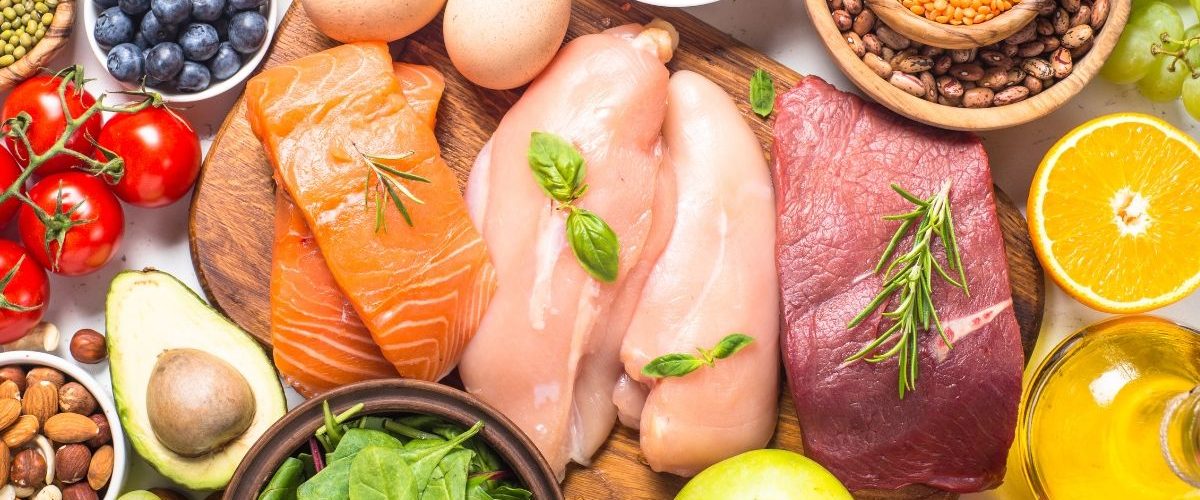
What kind of diet features enough dietary fiber? A diet rich in whole plant foods. Choosing brown rice over white, and whole-grain breads and pastas over highly refined products, is obviously best.
High-fiber foods include: barley (6 g per cup), quinoa (5 g), oatmeal (4 g), raspberries (8 g per cup), avocado (10 g), artichoke (9 g cooked), peas (9 g), navy beans (19 g per cup), lentils (16 g), chia seeds (10 g per oz), and flax seeds (8 g per oz).
References
Lancet Gastroenterol Hepatol, 2019; 4(12): 984–996
Front Endocrinol (Lausanne), 2023; 14: 1192602
Curr Opin Clin Nutr Metab Care, 2026; 29(4): 421–430
Front Aging Neurosci, 2023; 15: 1201982