Smart watches: Not so smart after all
Those health monitors on your wrist aren’t always giving you the right information, warns Bryan Hubbard
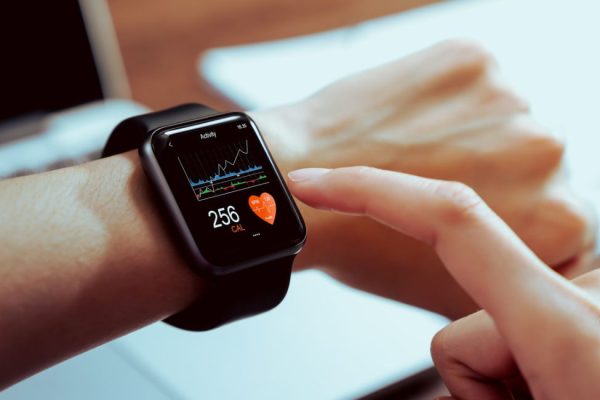
Smartwatches and fitness trackers are supposed to help us take control of our health. They track our steps, our heart rate and our sleep and promise an accurate picture of our well-being. But a growing body of research suggests these devices don’t always deliver what they promise—and may even be doing harm.
Poor accuracy
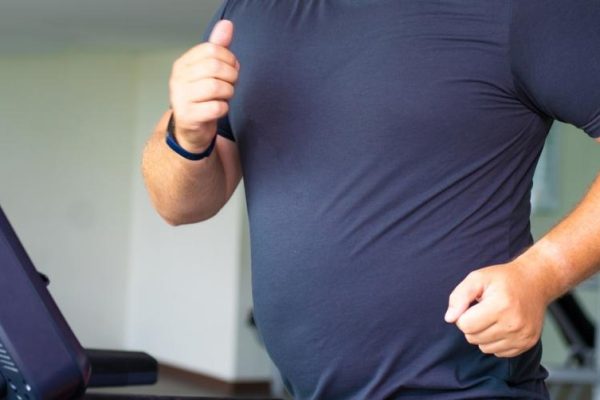
Heart rate monitoring is one of the most-used features in wearable devices, but accuracy can be hit-or-miss, especially during exercise. A 2024 study published in the European Heart Journal found that popular devices could vary by up to 15 percent when measuring heart rate during moderate activity. Accuracy dropped further during vigorous movement, particularly in people with darker skin tones or higher BMIs.
The devices use photoplethysmography (PPG), which shines a light through the skin to detect blood flow. This method works well under ideal conditions, but body hair, skin pigmentation, movement artifacts and poor fit can all degrade the readings.
Sleep tracking fares no better. Researchers from the University of West of England compared smartwatch sleep data with gold-standard polysomnography. They found the devices tended to overestimate total sleep time and underestimate wake periods, giving users a false sense of how well they had slept.
Anxiety and obsession
Beyond the technical limitations, there is a psychological cost. A condition now informally known as “orthosomnia” describes a fixation on achieving perfect sleep scores. People who monitor their sleep obsessively may actually sleep worse, according to research published in the Journal of Clinical Sleep Medicine. The act of checking and worrying about scores can itself cause anxiety-induced insomnia.
Similarly, a study in the British Journal of Health Psychology found that step-count trackers, while helpful for some, can promote compulsive exercise behaviors in those already vulnerable to disordered exercise patterns.
References
Eur Heart J Digit Health, 2024; 5(3): 321–330
J Sleep Res, 2023; 32(5): e13883
J Clin Sleep Med, 2017; 13(12): 1375–1376
Br J Health Psychol, 2023; 28(4): 1045–1063